Commercial & Industrial Energy Storage

Optimizing energy costs, empowering energy independence, and building resilience for a sustainable business future.

Our Solution

Commercial & Industrial BESS

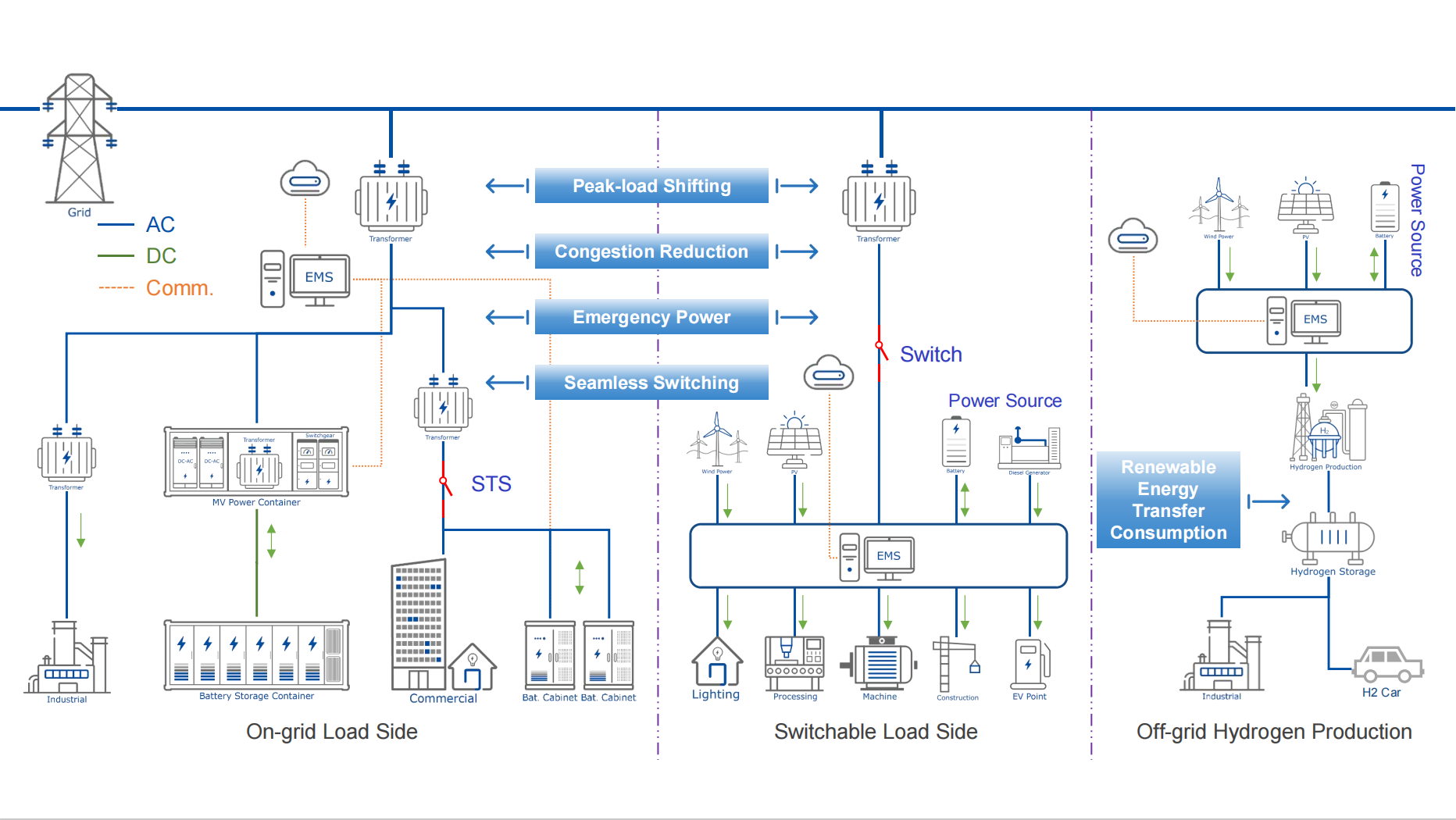
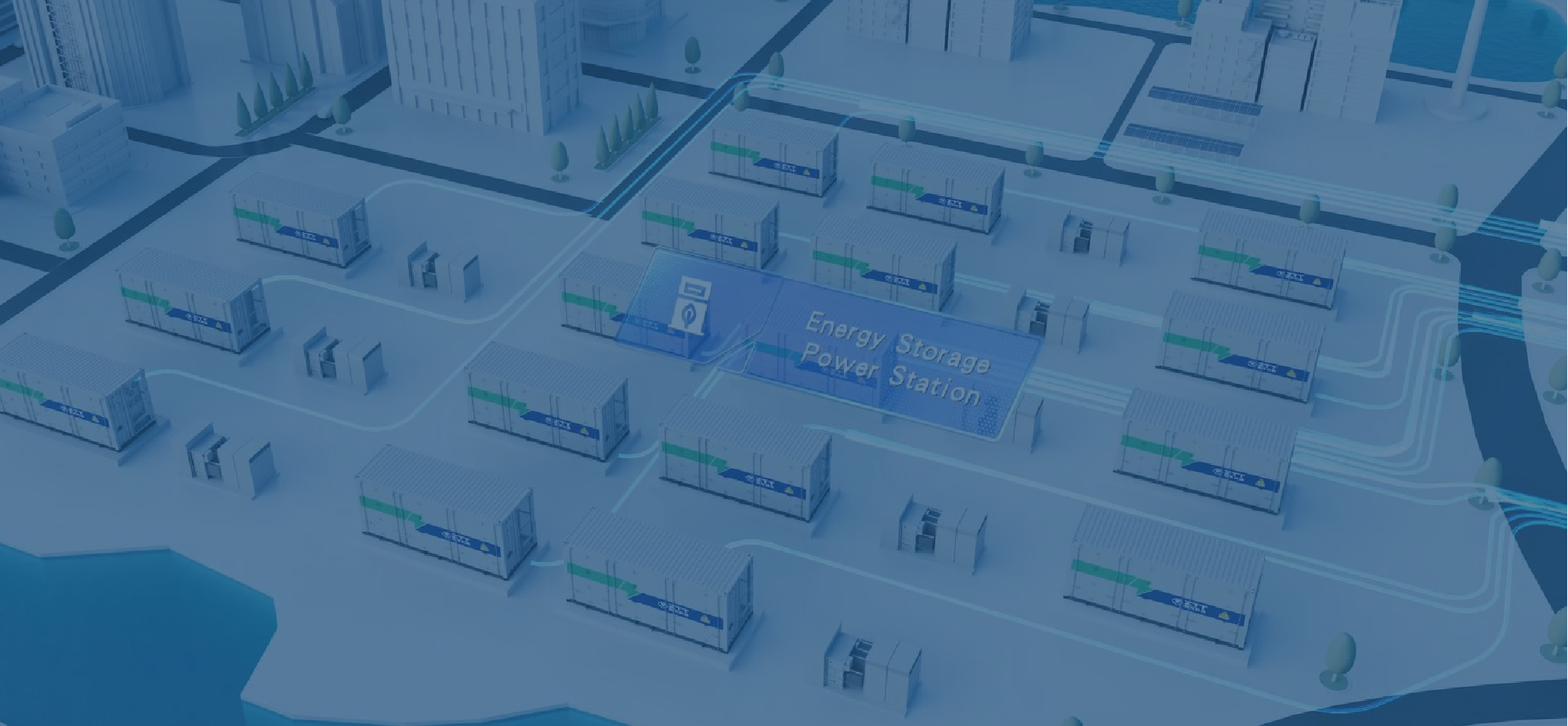
This integrated system utilizes battery containers and outdoor cabinets to fundamentally enhance on-site energy management. By deploying these modular storage units alongside industrial and commercial facilities, surplus energy is stored during off-peak periods and strategically discharged during peak demand hours. This intelligent energy shifting directly reduces peak electricity costs, decreases congestion on power lines, and provides emergency backup support—transforming conventional grid-dependent operations into resilient, cost-optimized energy systems.

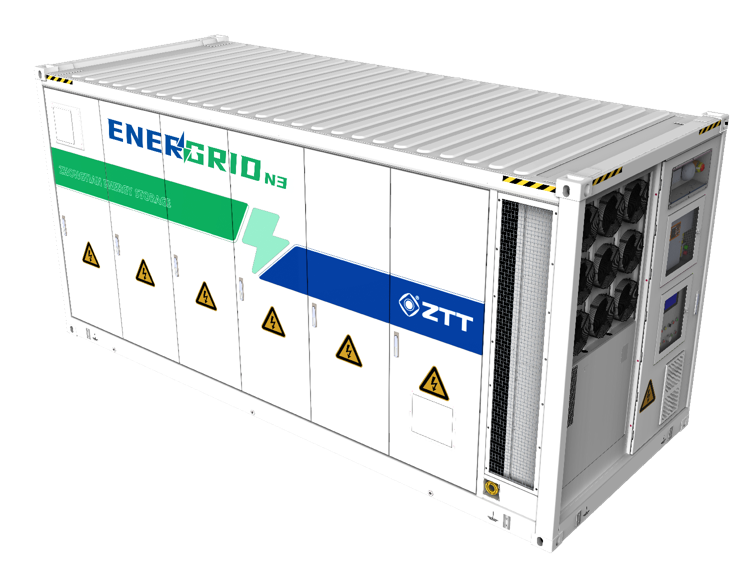
ENERGRID N3

The ENERGRID N3 is a high-performance 5 MWh liquid-cooled battery container, delivering over 93% efficiency and modular scalability for large-scale energy storage. Its advanced thermal management ensures stable operation and a reduced LCOS across extreme environments.Built for durability and safety, the unit features an IP54-rated, anti-corrosive enclosure with integrated fire suppression and high seismic resistance. It offers a robust, internationally compliant solution engineered for maximum grid-side reliability.
Learn More

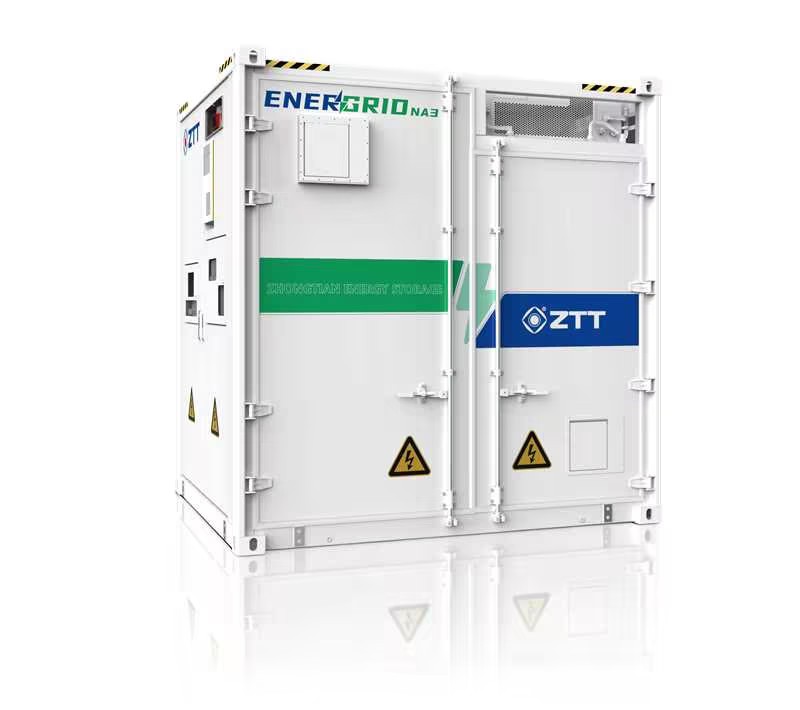
ENERGRID NA3

The ENERGRID series offers a range of prefabricated liquid-cooling battery energy storage systems, each a fully integrated solution. The 10-foot energy storage container is a highly integrated, liquid-cooling energy storage system. It uses a standard 10-foot container enclosure and internally integrates battery clusters, liquid cooling temperature control, a PCS, as well as fire protection and auxiliary power distribution systems. When paired with an external EMS, it is ready for grid connection upon deployment.
Learn More

ENERGRID M261

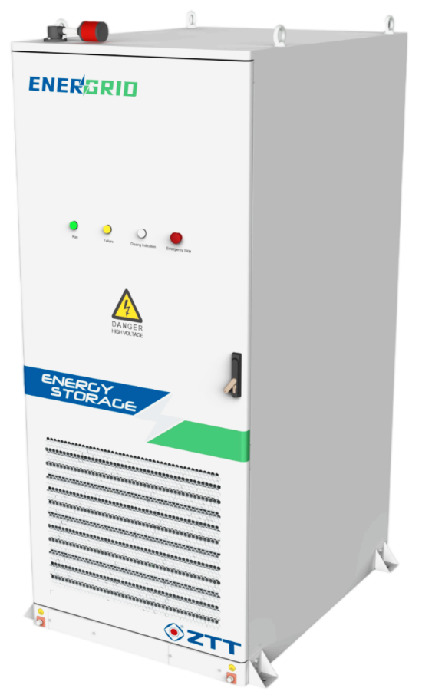
The ENERGRID M261 is a compact 261 kWh liquid-cooled cabinet for C&I applications, offering ≥93% efficiency and low auxiliary power consumption. Its modular design and advanced thermal management ensure cost-effective, stable performance from -20°C to 55°C.

Engineered for durability, the IP54-rated unit features C5 anti-corrosion, 8-level seismic resistance, and integrated aerosol fire suppression. Operating under 75 dB, it provides a quiet, safe, and internationally compliant storage solution for diverse environments.
Learn More

Successful Cases

Successful Cases

Industry Overview

Commercial & Industrial Challenges – The Imperative for Energy Autonomy

Today’s businesses and industrial facilities are constrained by three systemic pain points that erode profitability, operational resilience, and long-term sustainability.

Commercial & Industrial Challenges

Cost Rigidity from Grid Dependency

Facilities are locked into non-negotiable demand charges based on peak grid usage, with zero ability to adjust consumption or control costs in real time. The result: persistently high operating expenses and full exposure to grid reliability risks—with no buffer against rate hikes or outages.

Fragile Power Resilience

Without on-site storage, there is no protection against load spikes and no means for peak shaving. Even a momentary grid disturbance can halt critical production lines, triggering costly downtime, equipment damage, and revenue loss.

Stalled Energy & Carbon Transformation

Reliance on fossil-fuel-heavy grid power blocks the integration of onsite renewables and leaves carbon footprints unmanaged. As climate regulations tighten, this translates into rising compliance liabilities and missed opportunities for green branding—putting competitiveness at stake.

Value Contained

Cutting Electricity Costs

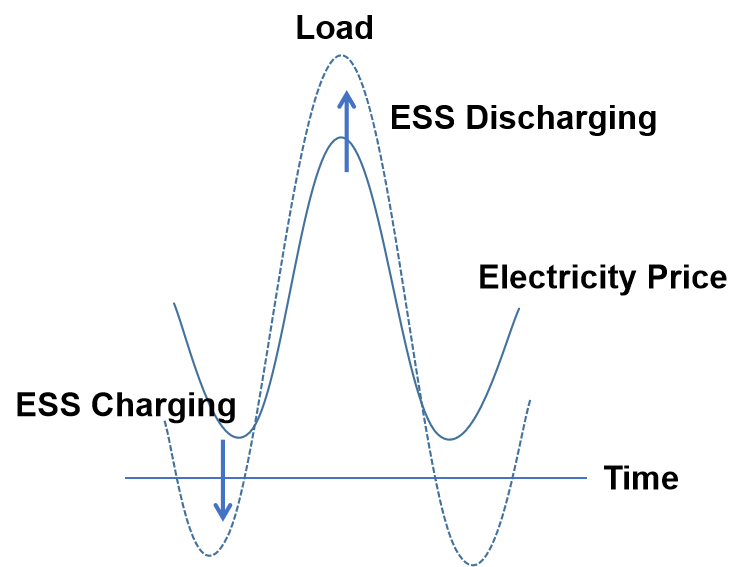
It automatically charges during low-tariff, off-peak hours and discharges during high-tariff, peak hours, directly reducing electricity expenses through energy arbitrage.

Managing Demand Charges

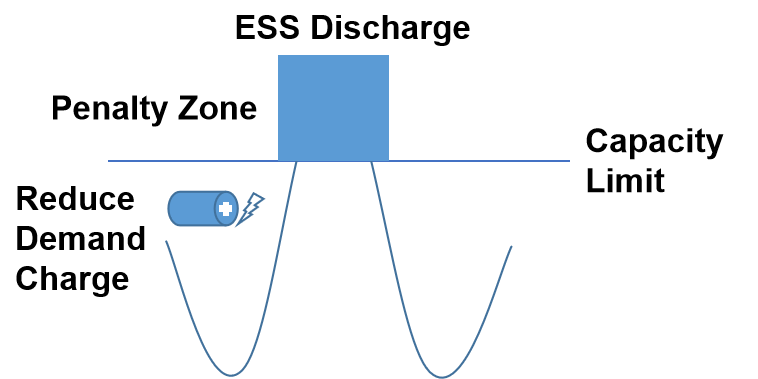
By discharging during short-duration load peaks, it reduces the site's maximum power demand, leading to lower capacity (demand) charges on the electricity bill.

Ensuring Power Reliability

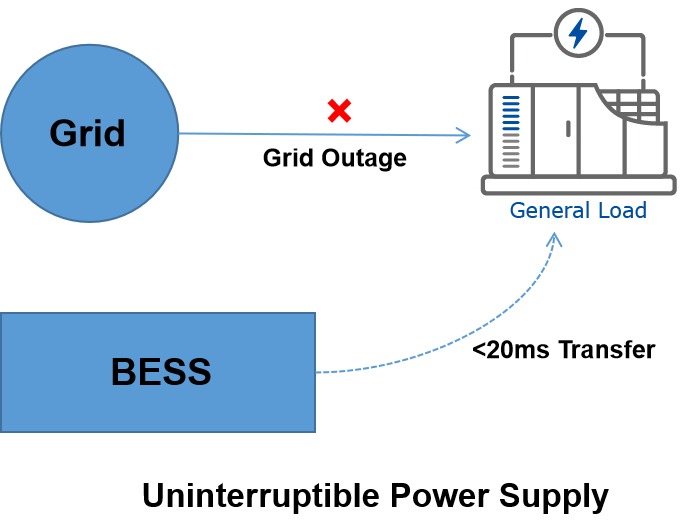
It provides an uninterruptible power supply for critical loads during grid outages or instability, ensuring business continuity and preventing costly downtime.