Stock Code: SH600522
-反白-rgyk712mnhczi1sjv2jrz96eetuv1qvfu5h21cx66q.png "中天科技横版版Logo(英文)-反白")
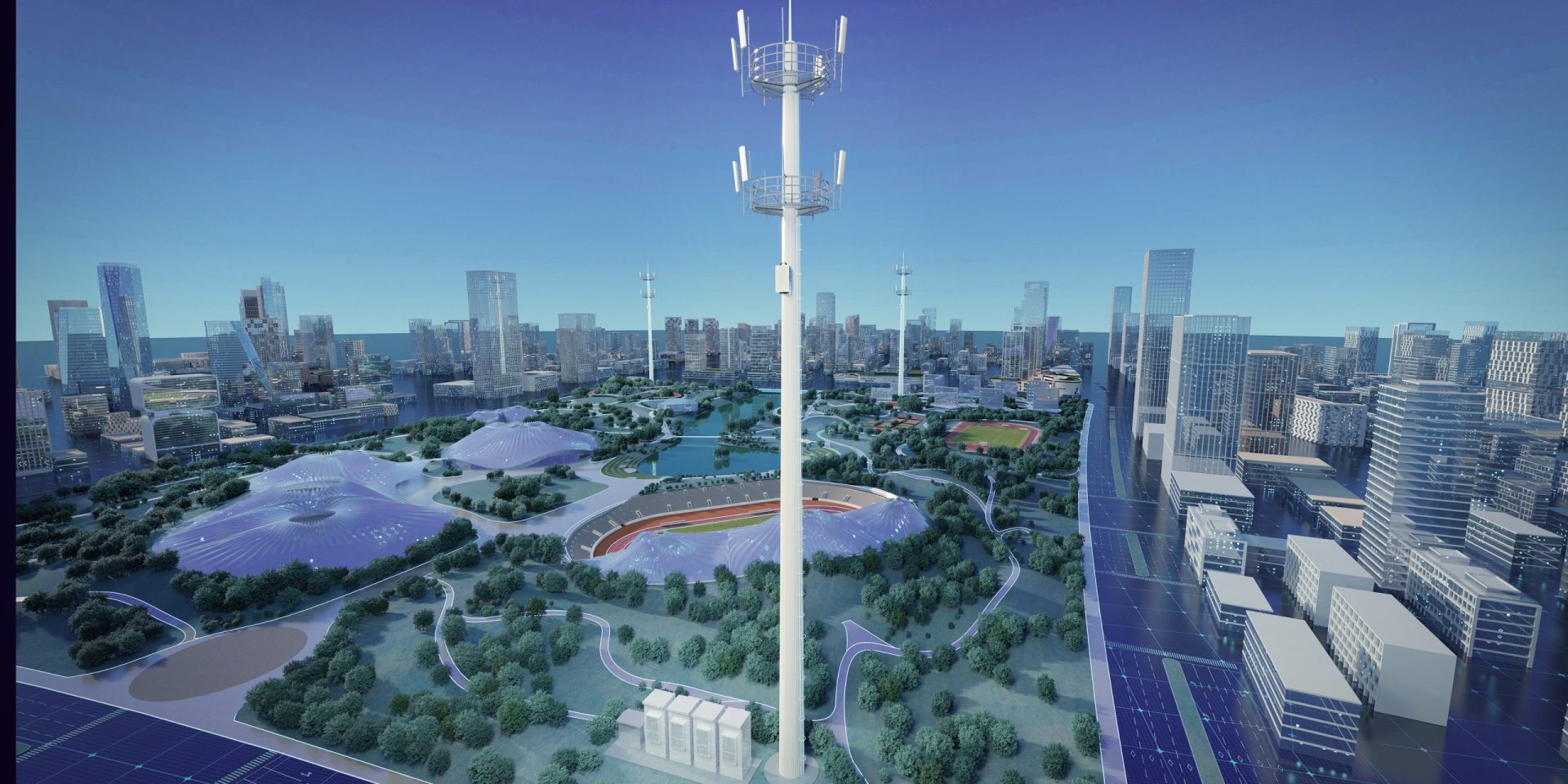
The coexistence of multiple technologies (2G-5G) and frequency bands has led to a surge in the number of antennas, causing a serious shortage of tower-mounted antenna space. Low-frequency antennas are huge and tend to block or interfere with high-frequency signal radiation, affecting coverage quality. Multi-band integration design saves space, but exacerbates mutual coupling and interference between antennas.
The significant increase in the number of channels in 5G Massive MIMO antennas has substantially raised base station power consumption. Traditional antenna feed networks suffer from considerable cable losses, with energy wasted as heat and overall efficiency remaining low. High power consumption directly drives up electricity expenses (OPEX), placing continuous cost pressure on operators.
For traditional antennas,it is impossible to remotely monitor or adjust their installation angle or status. Passive components inside the antenna are prone to passive intermodulation (PIM) interference due to aging or environmental factors, which is difficult and time-consuming to identify. Maintenance personnel often need to climb towers for inspection, resulting in low efficiency and inability to meet dynamic network optimization needs.
-1024x264.png)
-1024x427.png)
-1024x361.png)
-1024x427.png)
-反白-1024x290.png)
Connecting the World
Powering the Future
Products
Quick Link